5 Warning Signs of Subsidence in Merseyside Homes
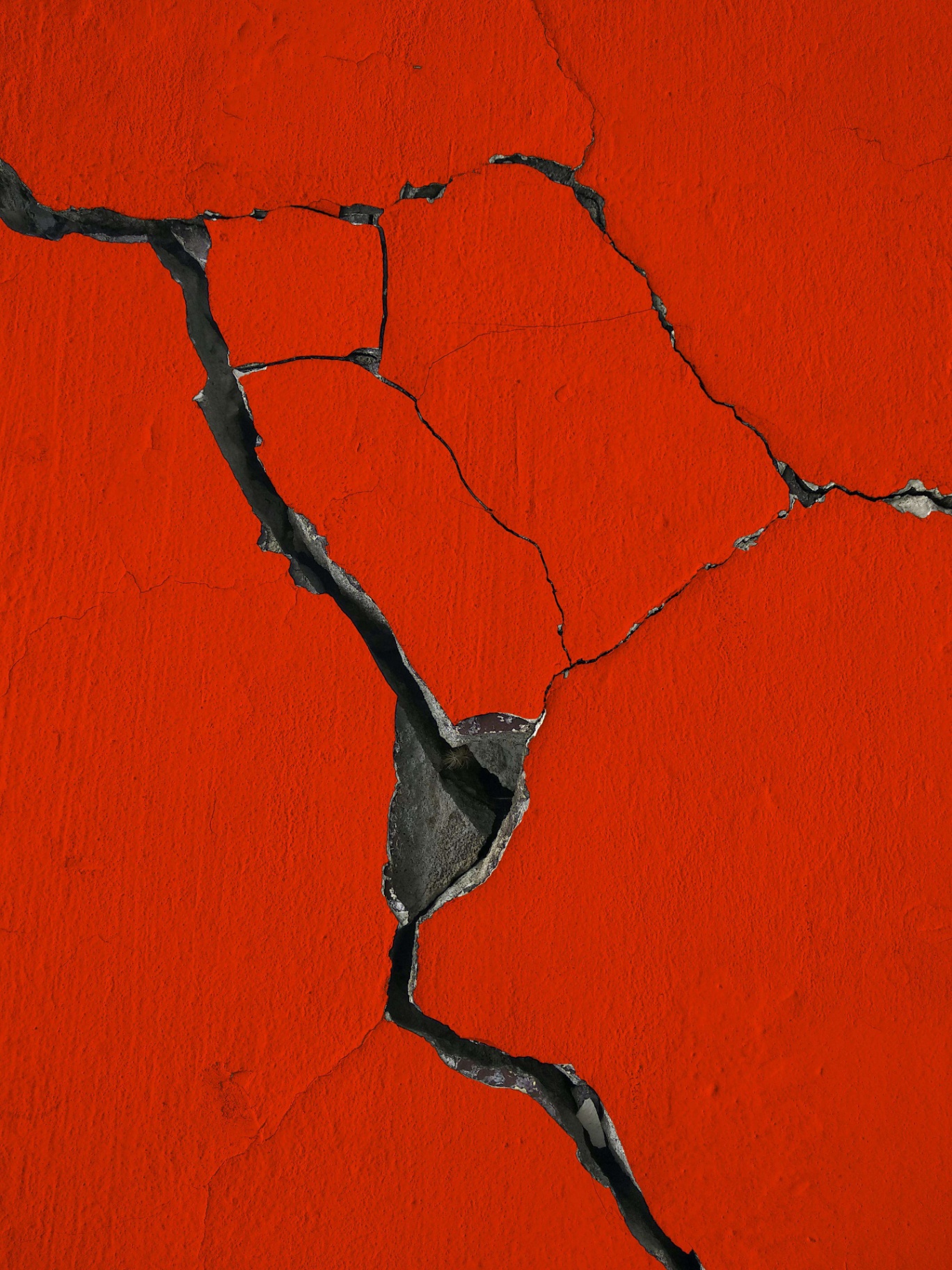
Subsidence — the downward movement of the ground beneath your home — is one of the most common structural concerns across Merseyside. The region's boulder clay soils, legacy of coal mining, and ageing housing stock create a perfect storm for ground movement. Spotting the signs early can save you thousands and months of disruption. If you're unsure what causes subsidence in Merseyside, start there for the full picture.
1. Diagonal Cracks Around Doors and Windows
The most recognisable sign of subsidence is diagonal cracking that radiates from the corners of doors and windows. These cracks are typically wider at the top than the bottom, reflecting the direction of ground movement pulling the wall downward on one side.
Not all cracks indicate subsidence. Hairline cracks under 1mm are usually cosmetic and caused by normal settlement or plaster shrinkage. The key distinction is width and whether the crack is growing over time. Use the following guide to assess severity:
| Crack Width | Severity | Likely Cause | Action Needed |
|---|---|---|---|
| Under 1mm | Cosmetic | Plaster shrinkage or minor settlement | Monitor — no action needed |
| 1mm – 5mm | Moderate | Possible subsidence or seasonal movement | Get a professional survey |
| 5mm – 15mm | Serious | Probable structural movement | Urgent structural assessment |
| Over 15mm | Severe | Active subsidence requiring intervention | Immediate specialist inspection |
2. Doors and Windows That Stick or Won't Close
When foundations shift, the door and window frames distort. You might find doors dragging on the floor, windows that suddenly jam, or gaps appearing around frames where there were none before. In Merseyside's older terraced properties — many built with shallow strip foundations — this is often one of the first noticeable signs.
Seasonal sticking can be caused by humidity. The difference is persistence: if a door sticks in summer and frees up in winter, it's likely moisture-related. If it progressively worsens regardless of season, suspect subsidence.
3. Rippling or Wrinkling Wallpaper
This subtle sign is easy to dismiss. When internal walls shift, wallpaper can wrinkle or pull away at the seams — particularly at the junction between walls and ceilings. If the wallpaper is intact and there's no dampness, wall movement is the most likely explanation.
4. Sloping or Uneven Floors
Place a marble or ball on the ground floor. If it rolls consistently in one direction, your floor is no longer level. In older Merseyside terraces built on shallow foundations, differential settlement — where one part of the foundation sinks more than another — often shows up as a noticeable slope across ground-floor rooms.
5. Gaps Where Walls Meet Ceilings or Extensions
Separation cracks at the junction between the main house and an extension are a common indicator. Extensions are often built on different foundations to the original structure, and they may settle at different rates — especially on Merseyside's variable clay and made ground.
What To Do If You Spot These Signs
Don't panic, but don't ignore them either. Photograph all cracks with a ruler for scale, note the date, and monitor for changes over 4–6 weeks. If cracks are wider than 3mm or growing, contact a specialist ground engineer — not just a builder — for a proper structural assessment. You may also want to understand how subsidence insurance claims work before contacting your insurer.
Early intervention is always cheaper and less disruptive. Modern repair methods like resin injection can stabilise foundations in a single day with minimal disruption to your home.
Need Expert Help?
Get a free, no-obligation assessment from our Merseyside ground engineering team.
Get Free QuoteMore Articles
Resin Injection vs Underpinning: Which Is Right for Your Merseyside Property?
Two leading repair methods compared. We break down when resin injection or traditional underpinning is the better choice for Merseyside homeowners.
Protecting Older Properties from Subsidence in Merseyside
Period homes and Victorian terraces across Merseyside face unique subsidence risks. Here's how to protect your older property's foundations.

What Causes Subsidence in Merseyside? A Local Guide
From clay soils to historic mining, Merseyside has unique geological factors that increase subsidence risk. Understand the causes specific to your area.